 Skip to content

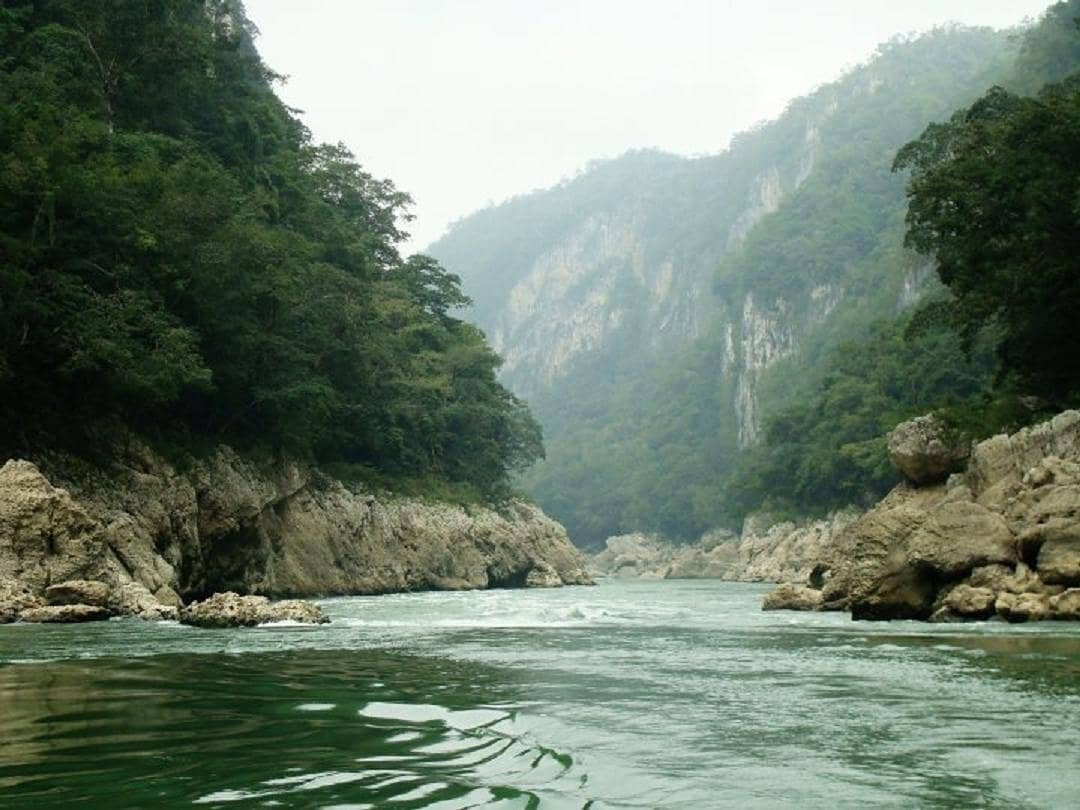
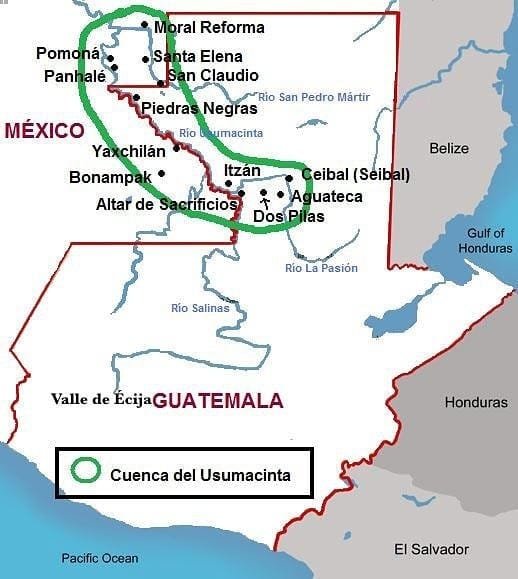
The Basin of the Usumacinta is a subregion of Mesoamerica, which includes part of the states of Tabasco and Chiapas in Mexico, as well as the department of Petén in the portion northeast of Guatemala. It is one of the areas that are being explored at present due to the large number of archaeological sites.
The maya used the rivers as a super highway for trade. The cities that flourished around the basin of the Usumacinta benefited directly from this trade and constantly were wars to defend the control of the cause.
The vast majority of the archaeological sites belonging to this basin, flourished in the classic period of the maya civilization, between the years 250 and 900 d. C.
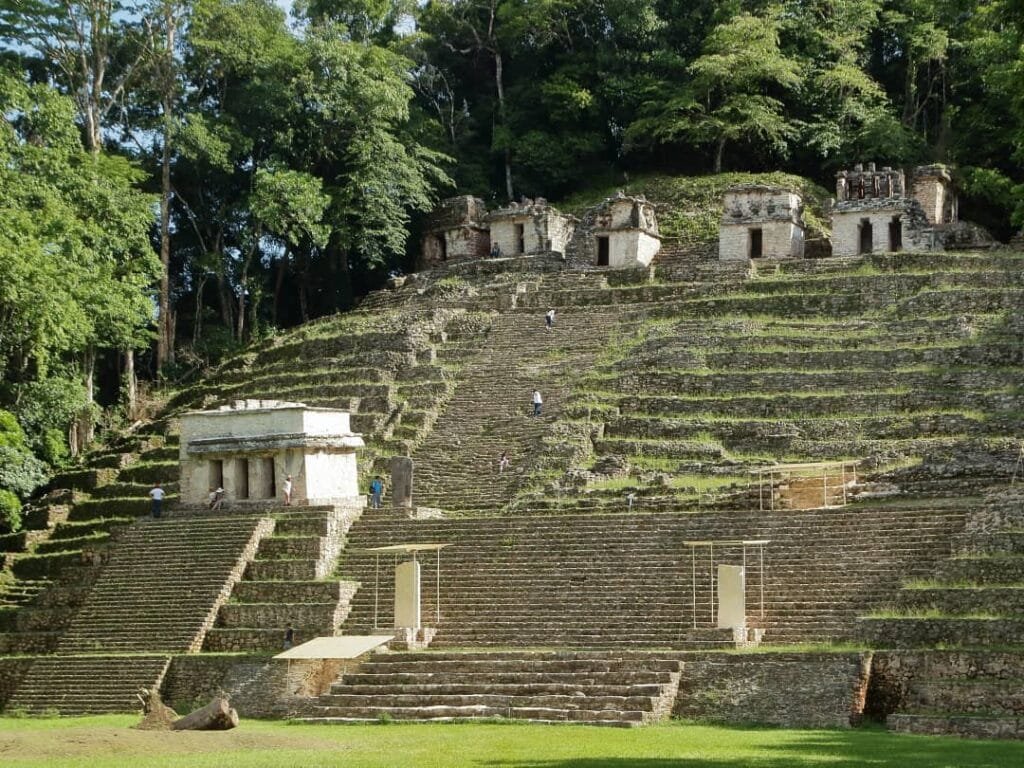
To the basin of the Usumacinta, belong to important maya sites such as Moral Reform, Pomoná, and San Claudio in Tabasco, Yaxchilan, and Bonampak in Chiapas, as well as Black Stones, Dos Pilas, Seibal, Itzán, Altar de Sacrificios and Aguateca in the department of Petén, Guatemala.
In the publication:
1. Cañón del Usumacinta, in Tabasco, mexico.
2. Map of archaeological sites higher in the basin of the Usumacinta
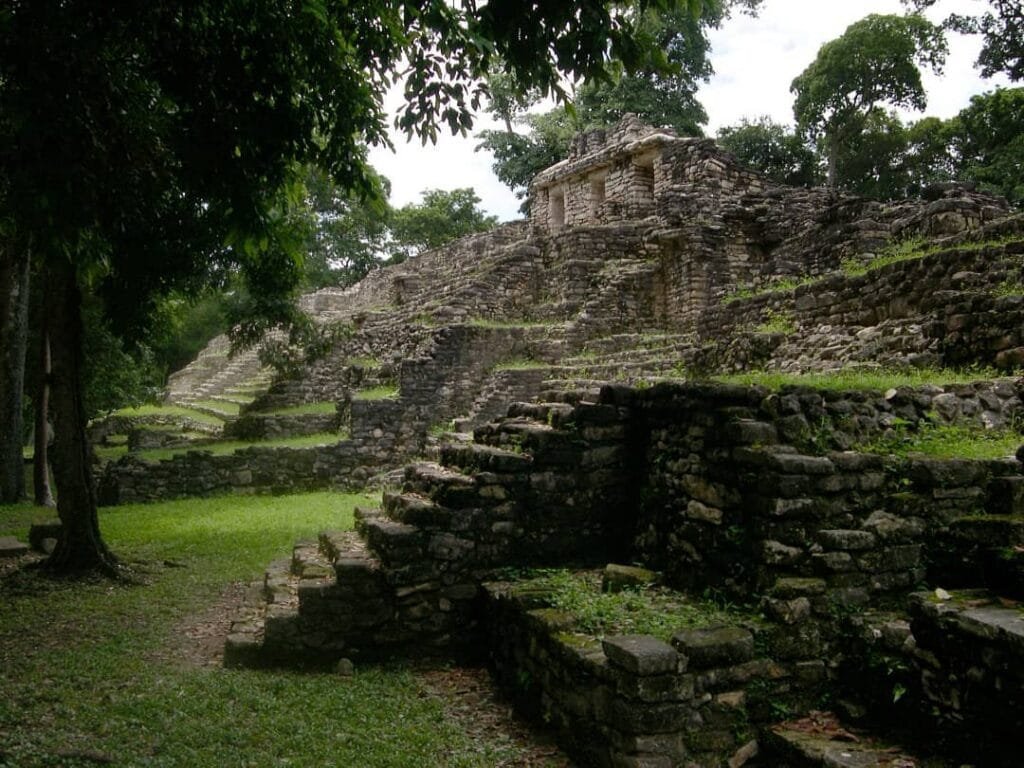
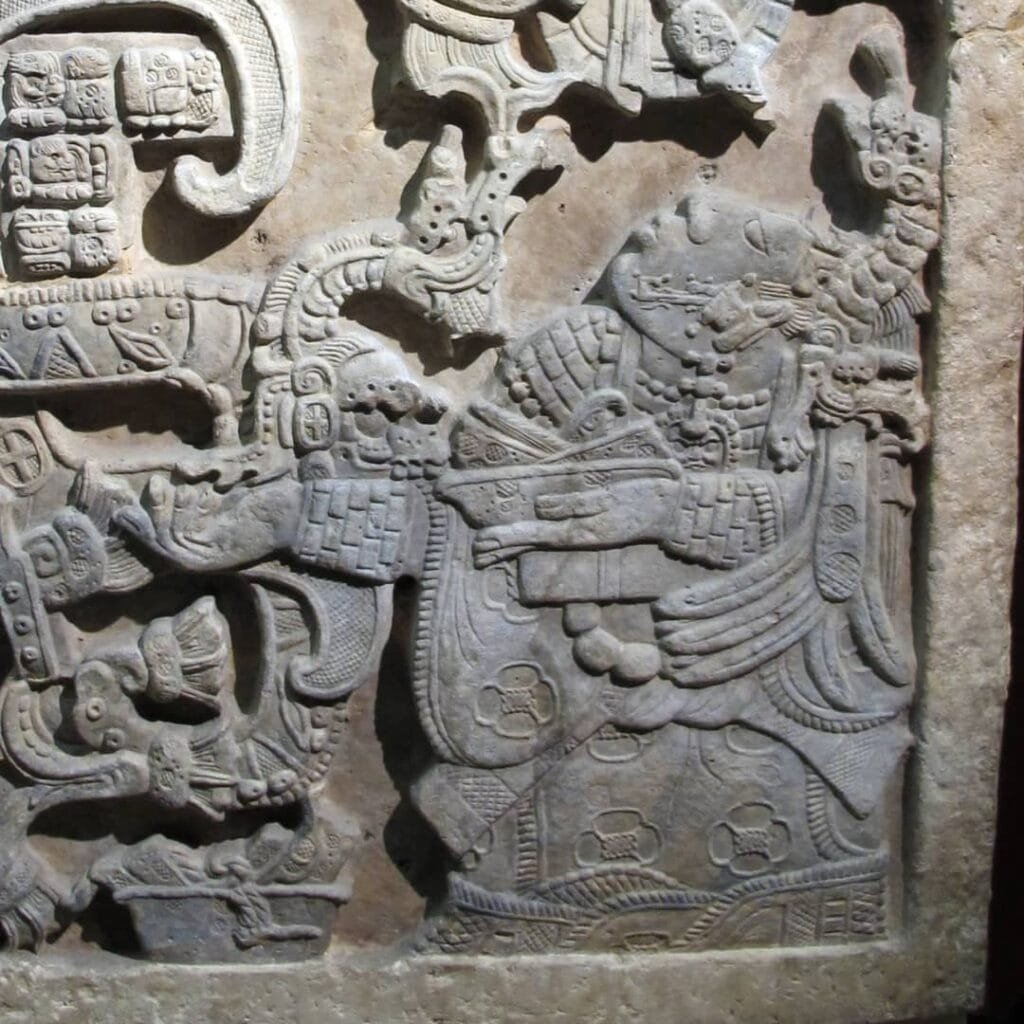
3. Archaeological site of Yaxchilan, Mexico
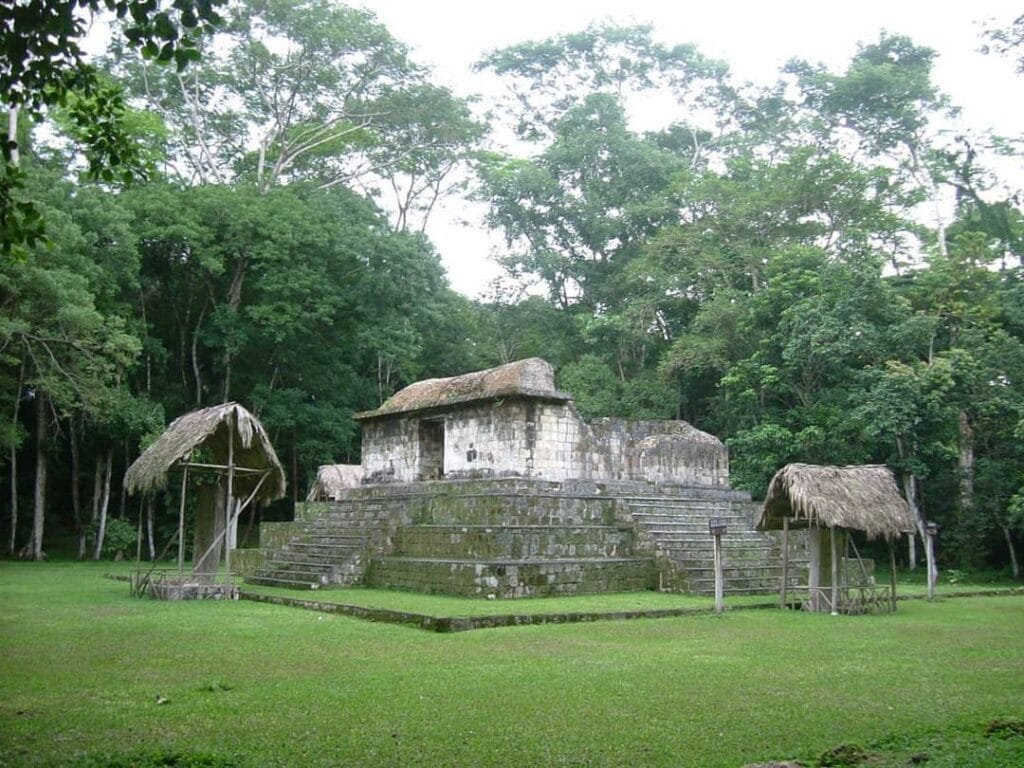
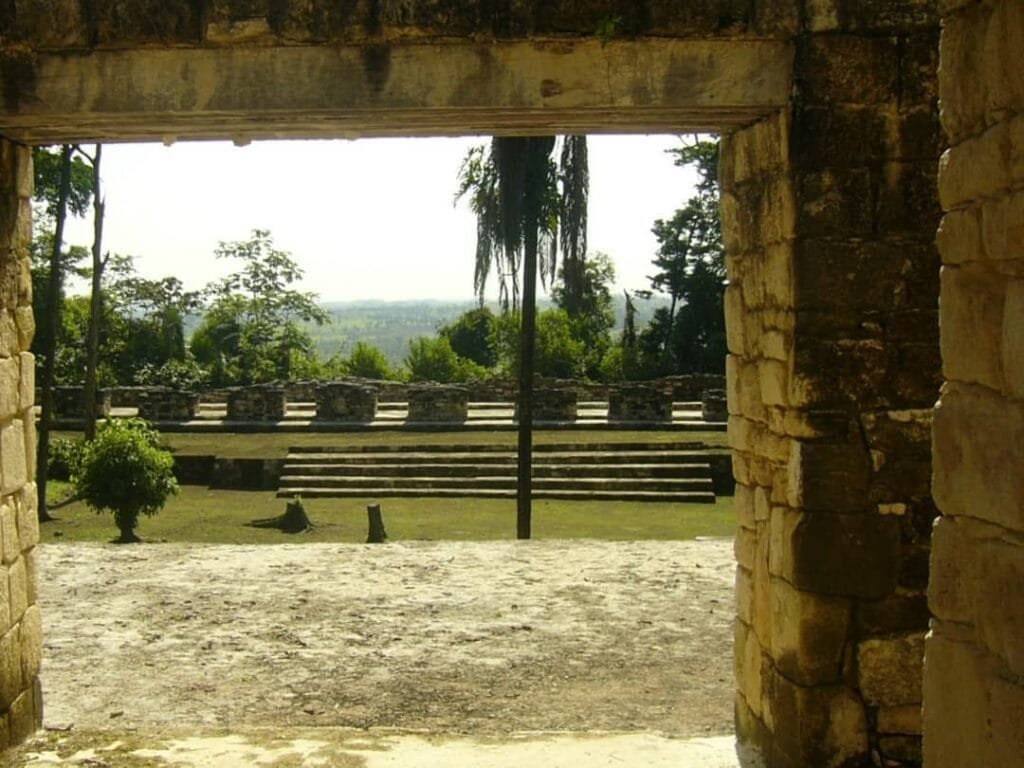
4. Archaeological site Seilbal, Guatemala
5. Archaeological site Bonampak, Mexico
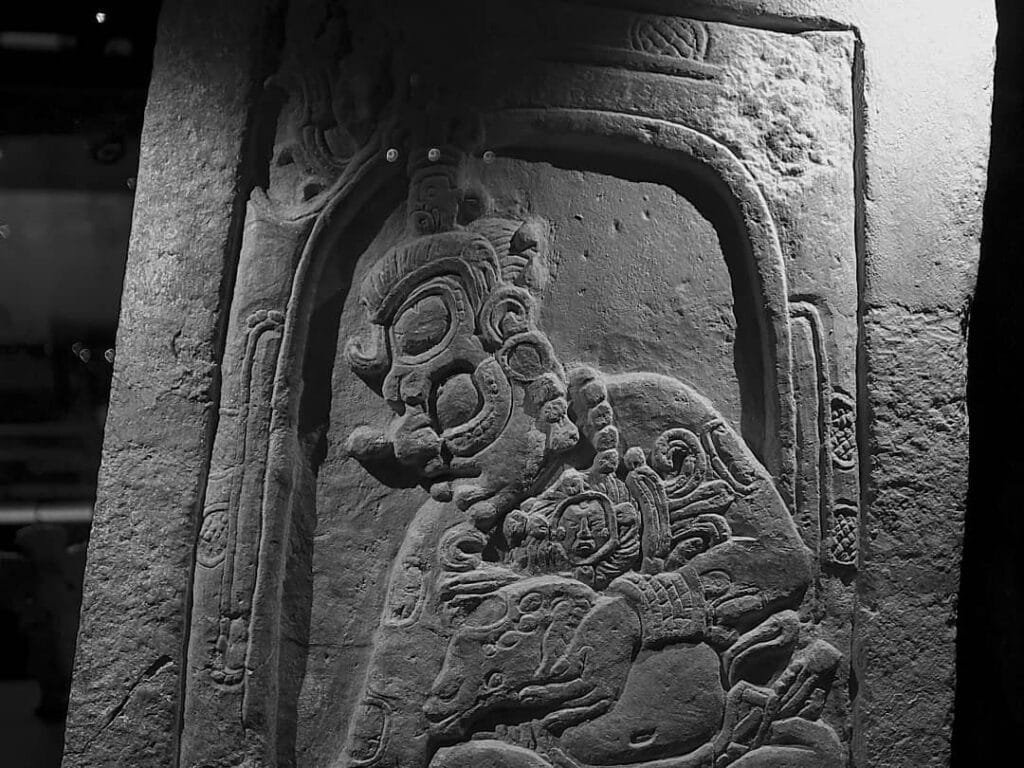
6. Representation of the God Kinich Ajaw of the city of Dos Pilas
7. Archaeological site of Aguateca
This publication is thanks to Arqueomayagt follow them on their networks:

Leave a Comment